Watercolor Wildflower Seamless Pattern C
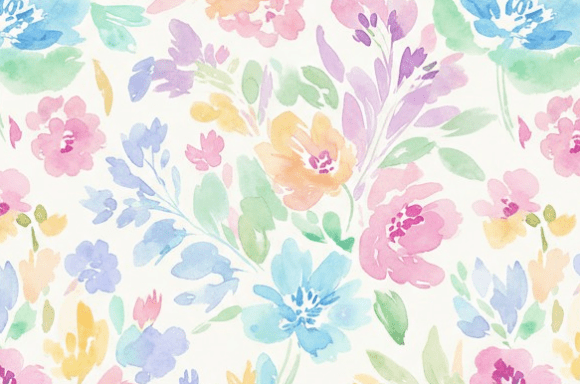
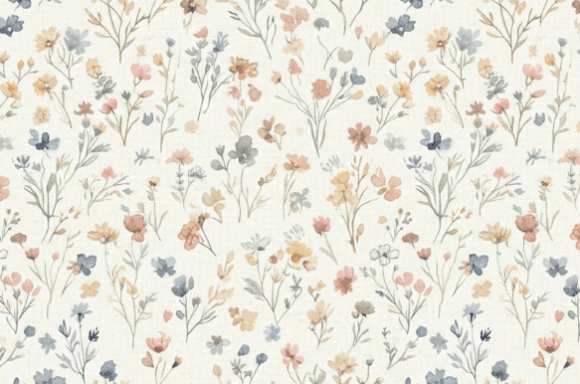
Watercolor Wildflower Seamless Pattern C is a stunning collection of hand-painted watercolor designs that bring the beauty of nature into your creative projects. This seamless pattern features delicate floral elements, soft pastel tones, and elegant botanical details that evoke a sense of calm and charm. Whether you're working on fabric, wallpaper, wrapping paper, or stationery, this design offers a versatile and visually appealing option for a wide range of applications.
The visual characteristics of Watercolor Wildflower Seamless Pattern C are both refined and organic. The watercolor technique gives each element a soft, painterly texture, while the pastel color palette adds a gentle, soothing quality. These elements combine to create a design that feels both timeless and modern, making it suitable for various styles and themes.
This pattern has a personality that's gentle, artistic, and inviting. It's ideal for projects that aim to convey a sense of nature, creativity, or elegance. Its style is rooted in traditional botanical illustration but with a contemporary twist, making it accessible for both classic and modern design approaches.
Where Watercolor Wildflower Seamless Pattern C Works Best
Watercolor Wildflower Seamless Pattern C is incredibly versatile, making it a valuable addition to any designer’s toolkit. It excels in fabric design, where its soft, flowing lines can add a touch of sophistication to clothing, home decor, or accessories. For wallpaper, the pattern provides a subtle yet impactful background that enhances the ambiance of any space without overwhelming it.
Wrapping paper and stationery benefit from the pattern’s delicate aesthetic, offering a unique and personalized touch that stands out. In scrapbooking, it can serve as a beautiful backdrop or accent, adding depth and visual interest to pages. For home decor, the pattern can be used in cushions, curtains, or wall art, bringing a natural and calming vibe into living spaces.
In digital and print projects, Watercolor Wildflower Seamless Pattern C works well in editorial design, packaging, and branding materials. Its soft colors and organic shapes make it an excellent choice for campaigns that emphasize nature, sustainability, or artisanal craftsmanship. Social media graphics and web design also benefit from its visual appeal, as it can enhance the look of banners, headers, or backgrounds.
How the Pattern Influences Design and Branding
When used effectively, Watercolor Wildflower Seamless Pattern C can significantly impact readability, visual hierarchy, and brand perception. Its soft, flowing lines and pastel tones create a relaxed and approachable feel, which can help establish a brand’s identity as creative, thoughtful, or eco-conscious.
In terms of visual hierarchy, the pattern should be used strategically to avoid overwhelming the viewer. It works best as a background or subtle detail rather than a dominant element. When paired with clear typography, it can enhance the overall composition without detracting from the message or content.
Consistency is key when incorporating this pattern into a brand’s visual identity. Using it across different mediums—print, digital, packaging—helps reinforce brand recognition and creates a cohesive look. This consistency can build trust and familiarity with the audience, making the brand more memorable.
Audience engagement often hinges on how well a design resonates emotionally. Watercolor Wildflower Seamless Pattern C appeals to those who appreciate nature, artistry, and simplicity. It can help connect with audiences looking for authentic, handmade, or eco-friendly products and services.
Choosing and Using Watercolor Wildflower Seamless Pattern C
When selecting Watercolor Wildflower Seamless Pattern C for a project, consider the context and purpose. Is it for a commercial product, a personal project, or a marketing campaign? Understanding the intended use will help determine how to incorporate the pattern effectively.
Evaluating the fit of the pattern involves assessing its compatibility with other design elements. For example, pairing it with a clean, modern typeface can create a balanced and professional look, while combining it with a handwritten font might add a more casual, artisanal feel. Testing different font pairings can help find the right combination for the desired effect.
Reviewing the included styles is important to ensure the pattern meets the project’s needs. Some seamless patterns may have variations in scale, color, or complexity, so choosing the right version can make a big difference in the final outcome.
Readability is another key consideration. While the pattern itself is decorative, it should not interfere with the legibility of text or other important elements. If used in a background, it should be subtle enough to allow the main content to stand out.
Commercial licensing is essential if the pattern will be used in a business context. Make sure to check the terms of use to understand what is allowed and what is restricted. This ensures compliance and avoids potential legal issues down the line.
Practical Recommendations and Examples
For a boutique clothing line focusing on sustainable fashion, Watercolor Wildflower Seamless Pattern C could be used on fabric for dresses or scarves, adding a natural and elegant touch. In a marketing campaign for an organic skincare brand, the pattern could appear on social media graphics or packaging, reinforcing the brand’s connection to nature.
A wedding planner might use the pattern on invitations or stationery, creating a romantic and whimsical atmosphere. For a home decor brand, the pattern could be featured on throw pillows or wall art, offering customers a stylish and cohesive design option.
When designing a blog or website, the pattern could serve as a subtle background for posts or sections, enhancing the visual appeal without distracting the reader. In a children’s book, it could be used as a decorative element, adding a touch of whimsy and charm.
Ultimately, Watercolor Wildflower Seamless Pattern C is a powerful tool for anyone looking to add a touch of nature and artistry to their work. Its versatility, elegance, and charm make it a valuable asset in a wide range of creative and commercial projects. By understanding its strengths and limitations, designers can harness its full potential and create visually compelling and meaningful designs.